



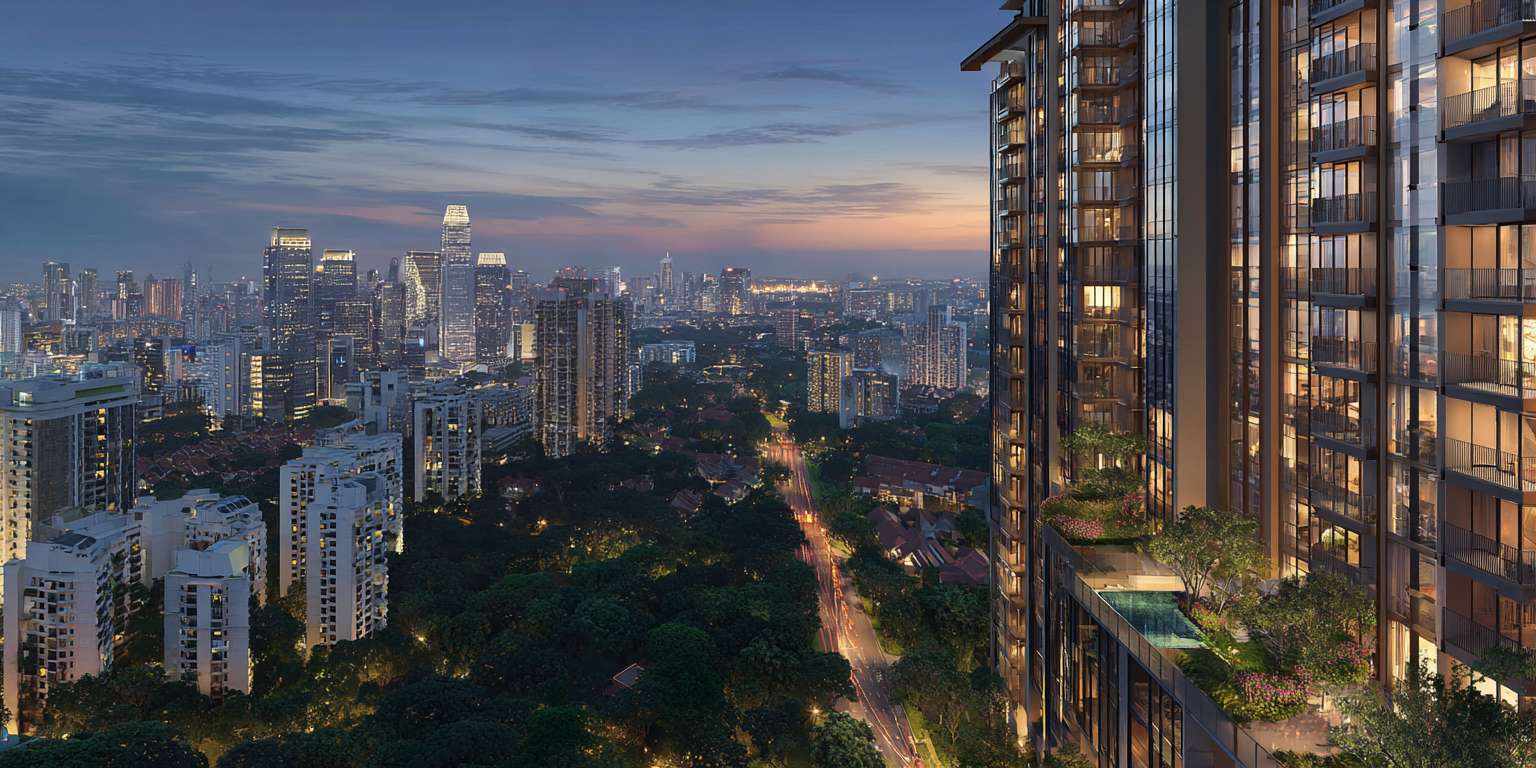
Residential developments today are designed to offer more than just living space. Buyers and investors now pay close attention to accessibility, lifestyle amenities, surrounding infrastructure, and long-term value. In competitive urban property markets, developments that combine convenience with modern design often attract stronger interest from homeowners and investors alike.
Among the projects gaining attention is Lucerne Grand, a residential development that reflects the growing demand for well-connected homes in thoughtfully planned neighborhoods. Its location, surrounding facilities, and contemporary residential concept make it a notable option for individuals seeking a balanced urban lifestyle.
The Importance of Location in Residential Living
Location remains one of the most important factors when evaluating any residential property. A strategically positioned development can improve daily convenience while also supporting long-term property appreciation.
Residents typically look for easy access to:
- Public transportation
- Schools and educational institutions
- Shopping centers
- Healthcare facilities
- Recreational spaces
Developments situated near essential amenities often provide greater lifestyle flexibility and reduced commuting time.
Urban Connectivity and Accessibility
Modern city living depends heavily on transportation access. Residential projects located near major roads and transit networks tend to appeal to both working professionals and families.
Efficient connectivity offers several advantages:
Reduced Travel Time
Easy access to highways and public transport allows residents to commute more efficiently to business districts and commercial areas.
Better Lifestyle Convenience
Living near retail hubs, dining areas, and entertainment centers improves overall convenience and supports a more active lifestyle.
Stronger Property Demand
Properties in accessible areas often maintain stronger demand due to their practical advantages for both homeowners and tenants.
Architectural Design and Residential Appeal
Contemporary residential developments are increasingly focused on combining visual appeal with functionality. Buyers now expect efficient layouts, quality materials, and shared spaces that support comfort and convenience.
Important design elements often include:
- Spacious unit layouts
- Natural lighting and ventilation
- Smart use of communal areas
- Energy-efficient features
- Modern security systems
Developers also place greater emphasis on landscaping and integrated recreational facilities to create a more complete living environment.
Lifestyle Amenities and Shared Facilities
Residential developments today commonly include amenities that support wellness, recreation, and social interaction. These facilities help enhance the overall living experience and provide added value for residents.
Common features may include:
- Swimming pools
- Fitness centers
- Outdoor gardens
- Children’s play areas
- Function rooms
- Security and concierge services
Such amenities contribute to convenience while also fostering a stronger sense of community within the development.
Nearby Educational and Commercial Hubs
For many families, proximity to schools and educational institutions is a major deciding factor when choosing a home. Access to reputable schools can improve both lifestyle convenience and long-term property desirability.
Commercial hubs also play an important role. Shopping malls, supermarkets, restaurants, and business districts support everyday needs while increasing the attractiveness of the surrounding area.
A well-positioned residential development benefits from being close to both educational and commercial infrastructure, creating a more practical living environment.
Investment Potential in Modern Developments
Property investors often evaluate residential projects based on future growth potential, rental demand, and neighborhood development plans. Developments in expanding urban areas may experience stronger long-term appreciation.
Several factors can influence investment value:
Infrastructure Improvements
Upcoming transportation projects and urban expansion often increase property demand over time.
Rental Market Strength
Homes located near employment centers and transport hubs generally attract more tenants.
Limited Land Availability
In densely developed cities, limited residential land can contribute to rising property values over the long term.
These considerations make location analysis especially important for both investors and homebuyers.
Community Living and Urban Balance
One of the major trends in residential development is the focus on creating balanced living environments. Buyers increasingly seek communities that combine privacy with opportunities for recreation and social interaction.
Developments that incorporate green spaces, pedestrian-friendly layouts, and communal facilities often provide a more comfortable urban experience. This balance becomes particularly valuable in busy metropolitan areas where residents want access to both city convenience and personal relaxation.
Final Thoughts
Modern residential developments are evaluated on much more than appearance alone. Buyers now consider accessibility, surrounding infrastructure, lifestyle amenities, and long-term investment potential when making property decisions.
A development’s location often plays the most significant role in determining daily convenience and future value. Projects that successfully combine connectivity, thoughtful design, and practical amenities continue to attract strong interest in competitive property markets.
As urban living preferences evolve, developments that support comfort, accessibility, and community-oriented living are likely to remain highly relevant for both homeowners and investors.
Table of Contents

