



Protein powders are becoming more and more popular as dietary supplements. You can buy them at any sports nutrition store and in specialized pharmacies. For beginners, choosing the right protein the first time can be problematic, so today, we will tell you what to look for when choosing a product.
What is a protein?
Protein powders are concentrated sources of protein from animal or plant products. People use them to increase muscle mass and meet protein needs.
Most often, an additional source of protein is necessary for an athlete. Protein strengthens and restores muscles after training. Without enough protein, the body begins to break down muscle to obtain the necessary amino acids.
When they say “protein builds muscle,” they mean that the body breaks down protein into amino acids, which are synthesized into muscle. Amino acids are the “building blocks of protein,” that is, compounds that are responsible for various processes in the body, including neurological and muscle synthesis. 80% of muscles are made up of amino acids.
20 different amino acids make up each protein molecule, divided into 2 categories: essential and non-essential amino acids.
The body naturally produces non-essential amino acids
Essential amino acids are not produced naturally by the body and must be consumed through L-Leucine 4 K food or supplements.
Types of Protein
There are two main sources of protein – animals, and vegetables.
Animal proteins include:
- Whey (divided into concentrate, isolate, and hydrolyzate)
- Casein (milk)
- Egg
- Beef
- Chicken
- Plant-based proteins include:
- Soya
- Peas
- brown rice
- chickpeas
Most animal proteins are complete proteins containing all 9 essential amino acids. Most plant proteins are considered incomplete, meaning they are missing at least one essential amino acid. However, eating several plant proteins simultaneously can create the effect of complete proteins.
Animal proteins are recommended for athletes and people who need to increase health and muscle mass, such as the elderly or patients, after surgery. A good option is VpLab products.
- Sports bars
- protein cookie
Most protein supplements are based on whey, but it’s more about convenience since it’s readily available: it’s a by-product of cheese production.
Who needs protein?
Growing organism. Teenagers need more protein to fuel their body after workouts as their body is still growing and consuming more protein overall.
Beginners in sports. If training is new to you and you need to build muscle, you will need more protein than usual.
Athletes. If you train for half an hour several times a week but set a goal to train for a half marathon, then during this period, the body will need more protein.
Recovering from an injury. Athletes with sports injuries often need more protein to recover faster.
Vegans and vegetarians. People who lead a vegan or vegetarian lifestyle cut out several common protein sources, including meat, chicken, and fish, and sometimes dairy products and eggs.
Related Article: 8 good reasons to go without whey protein
Which protein is right for me?
It would help if you determined the purpose of protein intake. Whey protein is ideal if you are an athlete or a person who wants to build muscle mass. It has a complete amino acid profile, which is unusually high in the muscle-healthy amino acid leucine. Egg protein also fits into this category but has a specific taste.
If the goal is to lose weight, then it is better to choose casein protein.
Plant-based proteins (soy, rice, pea protein) should be purchased for those who are allergic to lactose. This type of protein is also recommended for vegans. But its taste is sometimes considered not entirely pleasant, and it does not dissolve in water.
Protein after workout
Protein intake after a workout is important to start the recovery process. Some people, due to poor appetite or other reasons, endure eating until the end of the day. It is not right.
To maximize muscle recovery, aim to eat at least 10 grams of high-quality protein within 30 minutes of exercising. It can be obtained with VPLab Vegan Protein bars, which get protein from whey and peas. Next, you should eat a balanced meal within 2 hours.
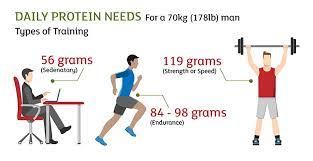
You should spread your protein intake between four balanced meals throughout the day. The daily amount of protein depends on the weight. For 1 kg of weight, you need 2 g of protein.
Protein powders are unnecessary if you have access to a healthy diet.
Outcome
Protein powders can provide high-quality protein in a convenient concentrated form.
They are of animal (whey, casein, egg) and vegetable (soy, pea, rice) origin. The first is suitable for those who build muscle mass, and the second – is for vegans and people with lactose allergies.
Only some people need protein powder supplements. They are needed for those who are actively involved in strength training and those who cannot meet their protein needs through diet alone.
Table of Contents

