



About Quran:
The Quran is the central religious text of Islam, which Muslims believe to be a revelation from God (Arabic: الله, Allah). It is widely regarded as the finest work in classical Arabic literature. The Quran is divided into chapters (surah in Arabic), which are then divided into verses (ayat). Muslims believe that the Quran was orally revealed by God to the final Prophet, Muhammad, through the archangel Gabriel (Jibril), incrementally over a period of some 23 years, beginning in the month of Ramadan, when Muhammad was 40; and concluding in 632, the year of his death. Muslims regard the Quran as perfect only in its original form, in the Arabic language. Translation of the Quran into other languages is an issue of interpretation, with many Muslims believing that only the original Arabic text can represent the divine nature of the Quran.
There are 114 surahs in the Quran, each divided into verses. The chapters or surahs are of unequal length; the shortest chapter has only three verses while the longest contains 286 verses. Of the 114 chapters, 106 are classified as Meccan, while only eight are Medinan. This classification is only approximate in regard to the location of revelation; it does not imply chronology.[3] The Meccan surahs generally deal with philosophical and theological issues, while the Medinan surahs concern legal and social issues relevant to Muhammad’s community at the time.
Quran Recitation:
Recitation of the Quran is the act of reciting from the Islamic holy book, the Quran. It is one of the Five Pillars of Islam in Sunni Islam and one of the ten Practices of Shia Islam. The word “Quran” occurs some 70 times in the Quran’s text, and other names and words are also said to refer to the Quran. According to tradition, several of Muhammad’s companions served as scribes and recorded the revelations. Shortly after his death, the Quran was compiled by his companions who wrote down and memorized parts of it. There are, however, variant readings, with mostly minor differences in meaning.
The Quran assumes familiarity with major narratives recounted in the Biblical scriptures. It summarizes some, dwells at length on others, and, in some cases, presents alternative accounts and interpretations of events.The Quran describes itself as a book of guidance. It sometimes offers detailed accounts of specific historical events, and it often emphasizes the moral significance of an event over its narrative sequence.[9] hadith are additional reports about Muhammad’s life that were not included in the Quran. Though considered a reliable source by Muslims, hadith are not part of the Quran.
Rules of Tajweed:
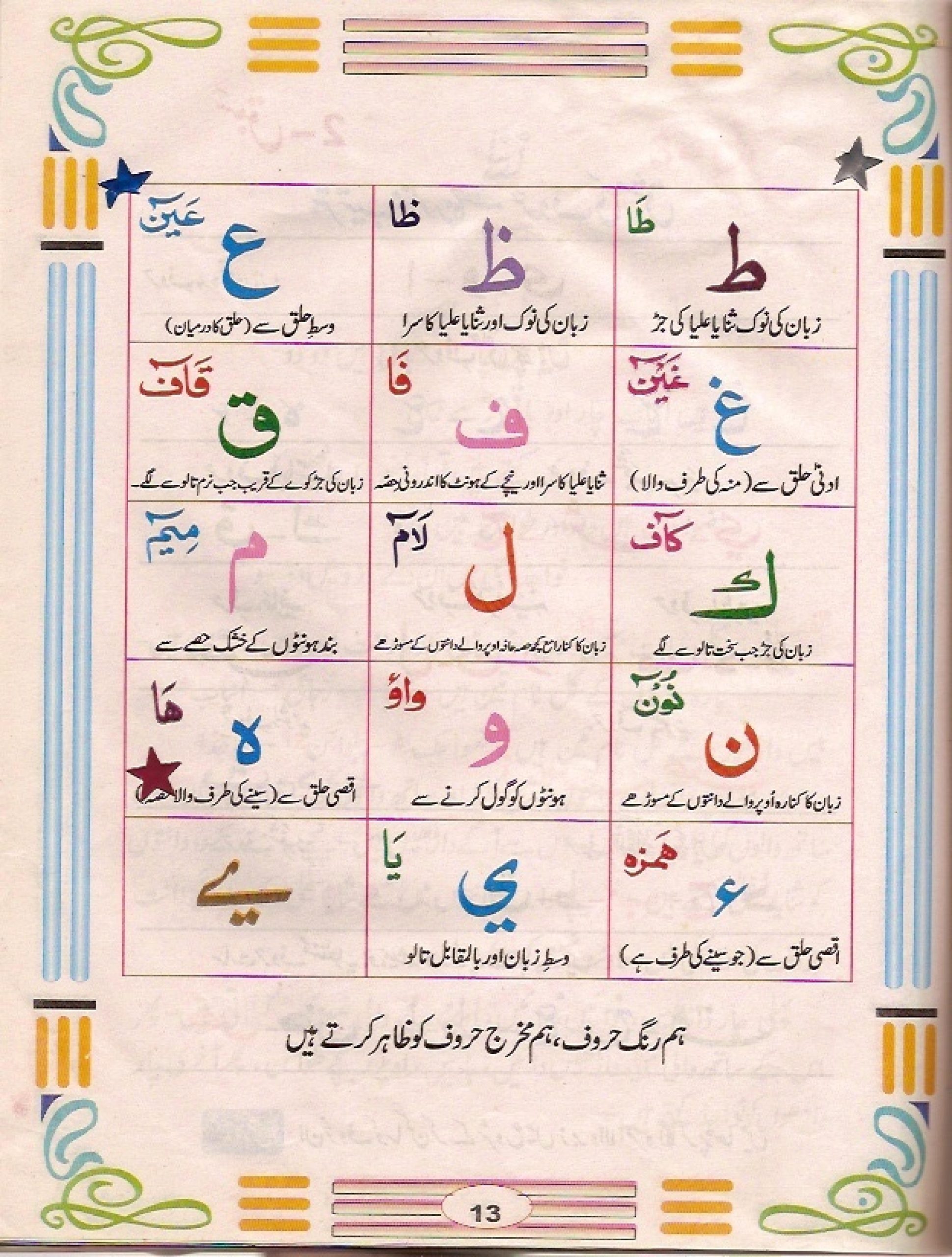
Tajweed (Arabic: تَجْوِيد, romanized: tajwīd, literally “elocution”), sometimes anglicized as Tajweed, refers to the rules governing pronunciation during Quranic recitation. Tajweed is compulsory when reciting the Quran. The term is derived from the triliteral root j-w-d (ج و د), meaning “to make well, make better, improve”.
There are numerous rules of tajweed, which govern how the Quran should be read. Some of these rules are universal, and apply to all consonants and vowels, while others only apply to certain letters. The primary objective of tajweed is to prevent mispronunciation while reciting the Quran so that the reciter does not change the meaning of the words.
There are a number of online tajweed quran courses available which can help you to learn and understand the rules of tajweed. These courses usually include audio and video content, as well as written materials and exercises. Some courses also offer online tests and quizzes to assess your understanding of the material. By enrolling in an online tajweed course, you will be able to learn at your own pace and in your own time. There is no need to travel to a mosque or Islamic center, and you can access the course material from anywhere in the world.
Enrolling in an online tajweed Quran course is a great way to learn about this important aspect of Islamic worship. The Quran is a holy book for Muslims, and it is important to read it with proper pronunciation. By enrolling in an online tajweed course, you can ensure that you are reading the Quran correctly and avoiding any mispronunciations.
Bottom line:
The Tajweed Ul Quran rules are a set of guidelines that govern the proper pronunciation of the Quran. These rules are designed to ensure that the reciter does not change the meaning of the words. There are a number of online tajweed Quran courses available which can help you to learn and understand the rules of tajweed. Enrolling in an online tajweed course is a great way to learn about this important aspect of Islamic worship. And if you are looking to improve your Quran reading skills, online tajweed courses are a great resource. Thanks for reading!
Table of Contents

