



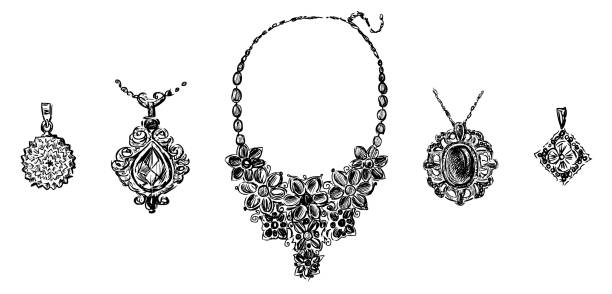
Jewellery design is a fascinating blend of art, craftsmanship, and innovation. It is an ancient practice that has evolved over centuries, reflecting cultural values, social status, and personal expression. From the intricate gold ornaments of ancient civilizations to the contemporary designs of today, jewellery holds a special place in human history. In this article, we delve into the world of jewellery design, exploring its history, techniques, materials, and the modern trends shaping the industry.
1. A Brief History of Jewellery Design
The history of jewellery design dates back to prehistoric times when early humans adorned themselves with shells, bones, and stones. As civilizations progressed, jewellery became more sophisticated and symbolic.
- Ancient Civilizations:
Ancient Egyptians, Greeks, and Romans created elaborate jewellery using gold, silver, and gemstones. Egyptian jewellery, for example, symbolized power and divinity, with designs often inspired by nature and mythology. - Medieval and Renaissance Periods:
During the medieval era, jewellery became a symbol of religious devotion and social status. The Renaissance period witnessed a revival of classical art and saw the introduction of intricate designs, enameling techniques, and the use of precious gemstones. - Modern Era:
The Industrial Revolution brought significant changes to jewellery design, making it more accessible to the masses. Art Nouveau and Art Deco movements in the late 19th and early 20th centuries introduced bold, geometric patterns and innovative materials.
2. Key Techniques in Jewellery Design
Creating a piece of jewellery involves various techniques, each requiring skill and precision. Here are some of the most common techniques used by jewellery designers:
a. Handcrafting
Handcrafting is the traditional method of making jewellery. It involves shaping and assembling metals and gemstones using tools like hammers, pliers, and files. This technique allows for intricate and custom designs, making each piece unique.
b. Casting
Casting is a process where molten metal is poured into a mold to create a specific shape. This technique is widely used for mass production, as it allows for consistent and detailed designs.
c. Stone Setting
Stone setting involves securely placing gemstones into a metal framework. There are various methods of stone setting, including prong, bezel, and pave settings, each offering a different aesthetic and level of security for the stones.
d. Enameling
Enameling is the art of fusing colored glass onto metal surfaces to create vibrant and decorative designs. This technique adds color and texture to jewellery, making it visually appealing.
e. Computer-Aided Design (CAD)
In recent years, technology has revolutionized jewellery design with the introduction of computer-aided design (CAD) software. Designers can now create precise 3D models of their designs, allowing for greater accuracy and customization.
3. Materials Used in Jewellery Design
The choice of materials plays a crucial role in the aesthetics and functionality of jewellery. Here are some commonly used materials:
a. Precious Metals
- Gold: Known for its luster and malleability, gold is a popular choice for fine jewellery. It is available in various colors, including yellow, white, and rose gold.
- Silver: Silver is a versatile metal with a bright, reflective surface. It is commonly used for both fine and fashion jewellery.
- Platinum: Platinum is a rare and durable metal, often used for high-end jewellery and engagement rings.
b. Gemstones
Gemstones add color, sparkle, and value to jewellery. Popular gemstones include diamonds, rubies, sapphires, and emeralds. Each gemstone has its unique properties and symbolism.
c. Semi-Precious Stones
Semi-precious stones like amethyst, turquoise, and garnet are also widely used in jewellery design. They offer a more affordable alternative to precious gemstones while providing a variety of colors and textures.
d. Alternative Materials
In contemporary jewellery design, alternative materials such as wood, resin, ceramic, and even recycled materials are gaining popularity. These materials offer unique textures and eco-friendly options.
4. Contemporary Trends in Jewellery Design
The jewellery industry is constantly evolving, with new trends emerging each year. Some of the current trends in jewellery design include:
a. Minimalist Designs
Minimalist jewellery focuses on clean lines, simple shapes, and understated elegance. These designs are perfect for everyday wear and appeal to those who prefer a subtle aesthetic.
b. Personalized Jewellery
Personalization is a growing trend, with customers seeking custom-made pieces that reflect their individuality. This includes name necklaces, birthstone rings, and engraved bracelets.
c. Sustainable and Ethical Jewellery
As consumers become more environmentally conscious, there is a growing demand for sustainable and ethical jewellery. Designers are using recycled metals, conflict-free gemstones, and eco-friendly production methods.
d. Statement Pieces
Statement jewellery features bold and eye-catching designs, often using large gemstones, vibrant colors, and unique shapes. These pieces are designed to make a statement and are ideal for special occasions.
e. Mixed Metals
Mixing different metals, such as gold and silver, is a popular trend that adds contrast and visual interest to jewellery. This trend allows for versatile styling and complements various outfits.
5. The Future of Jewellery Design
The future of jewellery design is shaped by technology, sustainability, and consumer preferences. Advances in 3D printing and CAD technology will continue to revolutionize the design process, allowing for more intricate and customizable pieces. Additionally, the focus on sustainability will drive innovation in materials and production methods.
As jewellery design continues to evolve, it will remain a timeless form of self-expression and artistry. Whether it’s a family heirloom passed down through generations or a modern piece crafted for a special occasion, jewellery holds a special place in our lives, symbolizing beauty, love, and identity.
Conclusion
Jewellery design is a dynamic and ever-evolving art form that combines creativity, craftsmanship, and cultural significance. From ancient civilizations to modern times, jewellery has been a symbol of beauty, status, and personal expression. With advancements in technology and a growing emphasis on sustainability, the future of jewellery design looks bright, offering endless possibilities for innovation and creativity.
Table of Contents

