



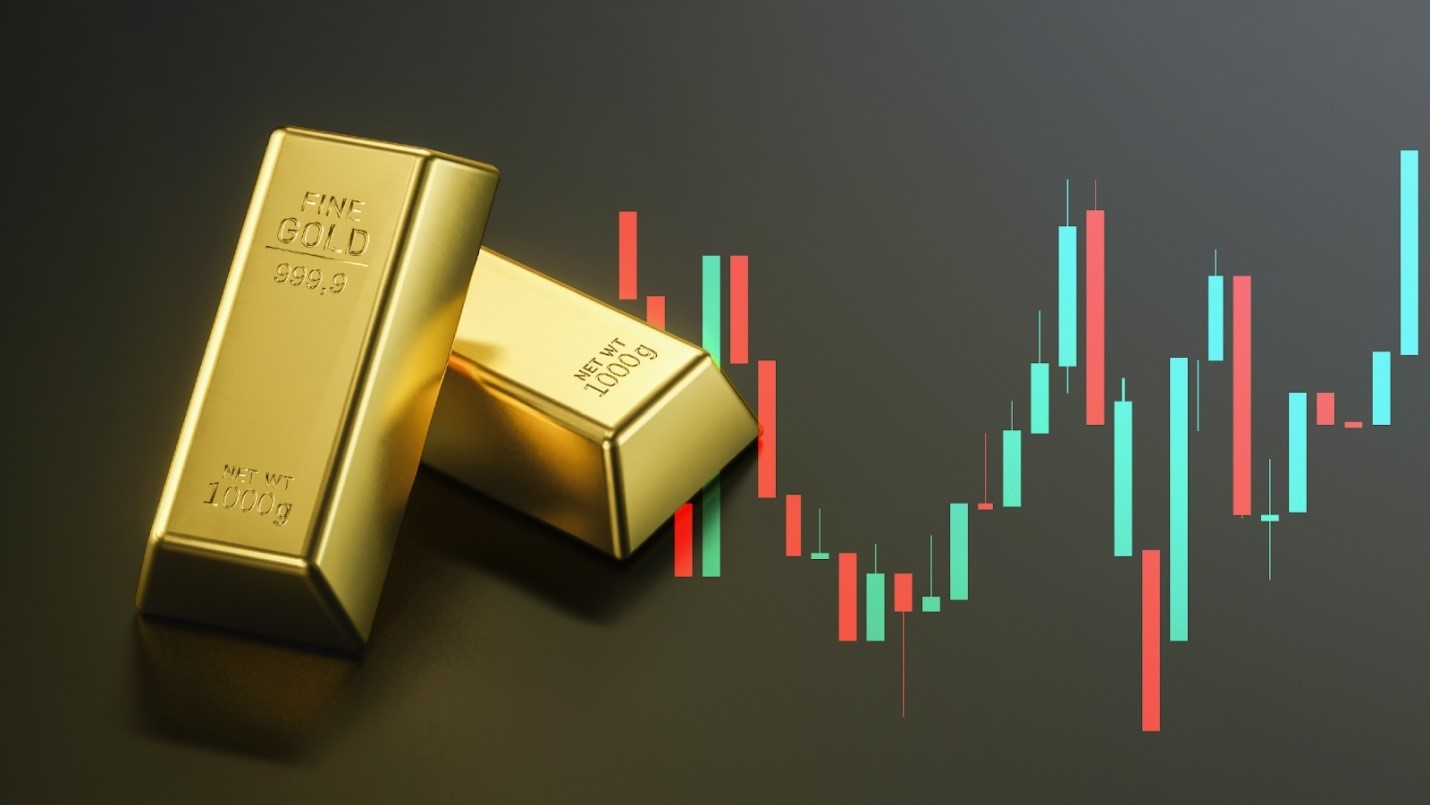
In the world of precious metals trading, central banks are an important factor. Central banks’ actions and policies can directly impact gold, silver or other precious metal value. If you’re involved in precious metals trading, understanding how central banks impact these markets is imperative. The fluctuations of these metal prices can sometimes affect the trader’s strategy and investment outcome.
Monetary policies are one of the main ways central banks impact precious metals. Central bank actions, such as setting interest rates or implementing quantitative easing, significantly influence the demand for precious metals. Institutions like the Federal Reserve in the US and the European Central Bank play a key role in shaping these market dynamics. For example, the opportunity cost of holding gold and silver decreases when interest rates are low. As a result, these metals see an increase in demand, which cause their prices to rise. However, when interest rates climb, precious metals aren’t as attractive, because investors often gravitate toward other assets with more attractive returns, like bonds and stocks.
It also means that investments in gold reserves are still an integral part of the central banks’ monetary strategy. These institutions are buying and selling gold which causes shifts in market sentiment or price movements. The desire for other investors to buy gold increases when a central bank expands its gold reserves, as it signals to its support for gold as an asset. Alternatively, bearish sentiment from central banks selling gold reserves could lead to prices falling. These actions are closely watched in the precious metals market, as such moves can at times be used to signal larger economic trends.
The other key area that central banks are influential in precious metals trading is in terms of inflation. Central Banks use monetary policy to manage inflation or the power of fiat money. When inflation is rising it tends to devalue paper currencies in favor of precious metals (gold and silver) which tend to be a hedge against inflation. Central bank moves and inflation are something precious metals traders keep a close watch on, because the movements can be very price dependent.
For the precious metals trader it is also important to consider the role the central banks play in currency devaluation. Precious metals often serve as a haven during currency devaluation, which may result from central bank policies. In particular gold and silver are seen as stores of value offering protection against the erosion of wealth by currency depreciation. Therefore, while the precious metals trading is always doing quite well since investors look to put their money in tangible assets, during currency turbulence or economic crisis times the activity in precious metals trading is even more potent.
The relationship between central banks and precious metals trading is complex; however central bank policies can have a significant impact on the market. This understanding permits traders to better position themselves to the precious metals market, and make better decisions. Central banks are a great driving force in trading of precious metals; whether it is in terms of monetary policy, inflation control, or currency management, these agencies have a direct impact on precious metals prices and market sentiment.

