



The production of yoga wear has grown significantly in recent years due to the rising popularity of yoga and active lifestyles. However, not all yoga apparel is created under the same standards. Ethical manufacturing in yoga wear production has become increasingly important as consumers demand transparency, fair labor practices, and environmentally responsible materials. Choosing a manufacturer that adheres to ethical standards ensures that yoga apparel is produced sustainably, safely, and responsibly, benefiting both workers and the planet.
Fair Labor Practices
One of the central aspects of ethical manufacturing is ensuring fair labor practices. Many traditional apparel factories operate under unsafe conditions, low wages, and excessive working hours. An ethical yoga wear manufacturer prioritizes worker safety, fair compensation, and reasonable working hours. This approach not only protects employees but also promotes a positive brand image and consumer trust. For brands looking to maintain high standards in production, a reputable Yoga Wear Manufacturer can provide guidance on sourcing, production oversight, and ethical compliance.
By emphasizing fair labor practices, ethical manufacturers ensure that employees are treated with respect and dignity. Workers in these factories often receive benefits, training, and opportunities for professional development, which leads to higher productivity and better-quality products. In addition, consumers increasingly prefer brands that demonstrate social responsibility, making ethical manufacturing a key competitive advantage.
Environmentally Responsible Materials
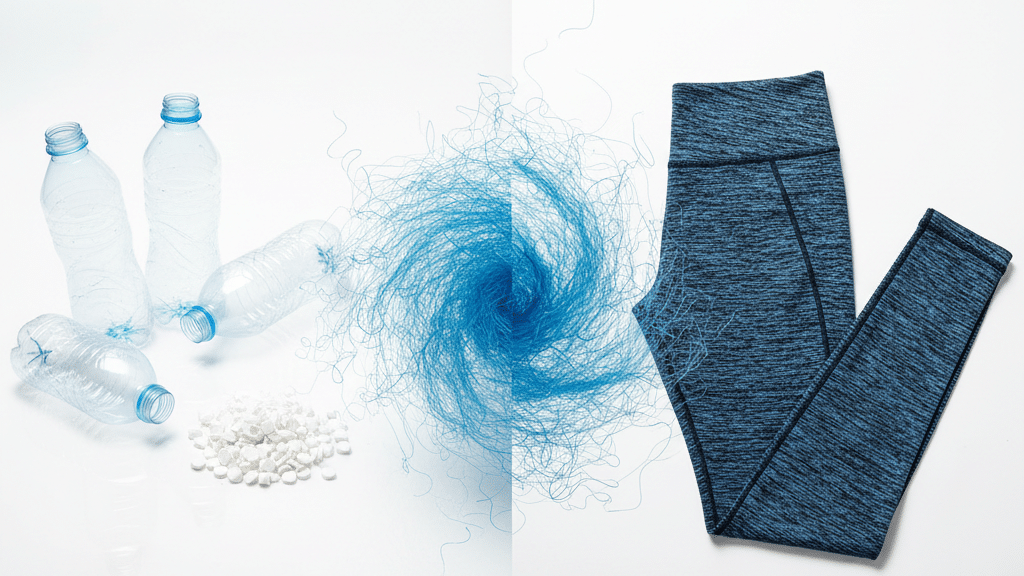
Ethical manufacturing also involves the use of environmentally responsible materials. Traditional fabrics like polyester and nylon are derived from non-renewable resources and contribute to pollution. Sustainable yoga wear manufacturers prioritize recycled fabrics, organic cotton, bamboo fibers, and other eco-friendly materials. These fabrics reduce environmental impact by minimizing energy consumption, chemical use, and waste.
By using environmentally conscious fabrics, ethical manufacturers help preserve natural resources and reduce the carbon footprint associated with yoga wear production. Additionally, these materials often provide functional benefits such as moisture-wicking, breathability, and durability, ensuring that eco-friendly yoga wear performs well in both casual and professional settings.
Transparency and Traceability
Ethical yoga wear production emphasizes transparency and traceability throughout the supply chain. A responsible manufacturer openly communicates information about sourcing, fabric composition, and production processes. This allows brands to verify compliance with labor standards, environmental regulations, and quality control measures.
Transparency also fosters trust between brands and consumers. When customers know that their yoga apparel is produced ethically, they are more likely to support the brand and become repeat buyers. Ethical manufacturers often provide certifications or documentation that validate the sustainability and social responsibility of their operations.
Reducing Waste and Pollution
Ethical manufacturing in yoga wear production addresses waste management and pollution control. Responsible factories implement practices such as minimizing fabric waste, using low-impact dyes, and recycling water during production. These practices reduce environmental damage while promoting efficient resource use.
By reducing waste and pollution, ethical manufacturers ensure that yoga apparel production does not contribute to harmful environmental outcomes. This aligns with the growing consumer demand for sustainable products and demonstrates a commitment to corporate social responsibility.
Quality and Durability
Another benefit of ethical manufacturing is the focus on quality and durability. Factories that adhere to ethical standards often invest in skilled labor, quality control, and advanced production technologies. This results in yoga wear that lasts longer, retains its shape, and maintains comfort over time.
High-quality yoga apparel reduces the frequency of replacements, minimizing waste and promoting sustainable consumption. Consumers benefit from products that are both functional and long-lasting, while brands benefit from enhanced reputation and customer loyalty.
Supporting Social and Community Development
Ethical manufacturing extends beyond the factory floor by contributing to broader social and community development. Manufacturers that prioritize ethical practices often invest in worker welfare programs, community initiatives, and training opportunities. These actions improve the livelihoods of employees and their families, creating a positive impact that extends beyond the production process.
By supporting manufacturers committed to ethical practices, brands play a role in promoting social responsibility and sustainable development within the communities where production occurs.
Conclusion
Ethical manufacturing plays a crucial role in yoga wear production, ensuring fair labor practices, environmental responsibility, transparency, waste reduction, and product quality. By partnering with a reputable Yoga Wear Manufacturer, brands can ensure that their products are produced sustainably and ethically, benefiting workers, consumers, and the environment. Ethical manufacturing not only enhances the durability and performance of yoga apparel but also aligns with the growing consumer demand for socially responsible and environmentally friendly products. Investing in ethical manufacturing practices is a long-term strategy that supports both business success and positive global impact.
Table of Contents

