



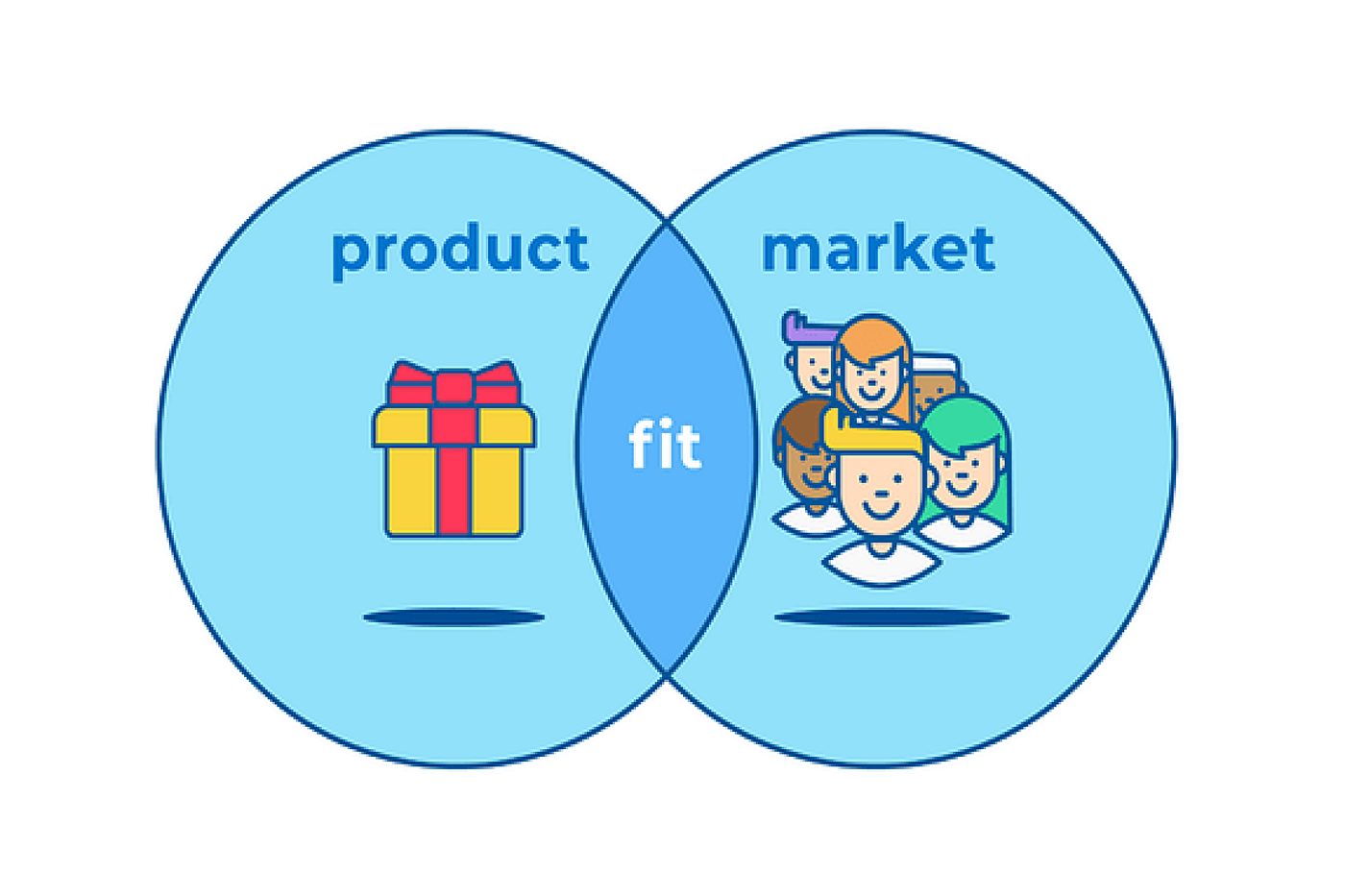
Product-Market Fit (PMF) is a critical milestone for startups and established businesses alike. Achieving PMF means that your product satisfies the needs of a specific market and is embraced by its target customers. This article delves into the concept of PMF, its importance, methods to achieve it, and how to measure and sustain it.
What is Product-Market Fit (PMF)?
Product-Market Fit occurs when a company has created a product that successfully meets the demands and expectations of a specific market segment. It’s the point where your product resonates so well with your target audience that they are willing to pay for it, use it, and promote it to others.
Why is Product-Market Fit Important?
Foundation of Business Success
Achieving PMF is crucial because it lays the foundation for scalable and sustainable growth. Without PMF, companies struggle to retain customers, generate revenue, and expand their market presence.
Investor Confidence
Investors often look for PMF as a key indicator of a startup’s potential. A company that has achieved PMF is more likely to secure funding, as it demonstrates a clear demand for its product.
Customer Loyalty
When a product fits well with its market, customers are more likely to remain loyal, reducing churn rates and increasing lifetime value.
Steps to Achieve Product-Market Fit
Understand Your Market
To achieve PMF, you must first thoroughly understand your market. Conduct market research to identify your target audience’s needs, preferences, and pain points. This knowledge will guide your product development process.
Develop a Minimum Viable Product (MVP)
An MVP is a simplified version of your product that includes only the essential features needed to address your target audience’s core needs. Launching an MVP allows you to test your product’s market fit with minimal resources.
Collect and Analyze Feedback
Gather feedback from early adopters to understand their experience with your product. Use this feedback to make necessary adjustments and improvements.
Iterate and Improve
Based on the feedback received, continuously iterate on your product. Make enhancements that align with customer needs and preferences. This iterative process is crucial for honing your product and achieving PMF.
Measuring Product-Market Fit
Customer Feedback and Satisfaction
Monitor customer feedback and satisfaction levels through surveys, reviews, and direct communication. High levels of customer satisfaction indicate a strong PMF.
Retention Rates
Customer retention rates are a key indicator of PMF. A high retention rate suggests that customers find value in your product and continue to use it.
Net Promoter Score (NPS)
NPS measures the likelihood of customers recommending your product to others. A high NPS indicates that your product is well-received and fits the market’s needs.
Revenue Growth
Consistent and sustainable revenue growth is a sign that your product has achieved market fit and is generating demand.
Sustaining Product-Market Fit
Continual Improvement
Achieving PMF is not a one-time event. Continually gather customer feedback and improve your product to meet evolving market demands.
Adapt to Market Changes
Stay attuned to market trends and changes. Adapt your product and marketing strategies to maintain relevance and appeal.
Expand Your Market
Once you have achieved PMF in your initial target market, consider expanding to new segments. This can drive further growth and increase your market presence.
Conclusion
Product-Market Fit is a crucial determinant of a company’s success. By understanding your market, developing a strong MVP, collecting feedback, and continuously improving your product, you can achieve and sustain PMF. This ensures customer satisfaction, loyalty, and long-term business growth. For startups and established businesses alike, PMF is the key to unlocking sustainable success and market leadership.
Table of Contents

