



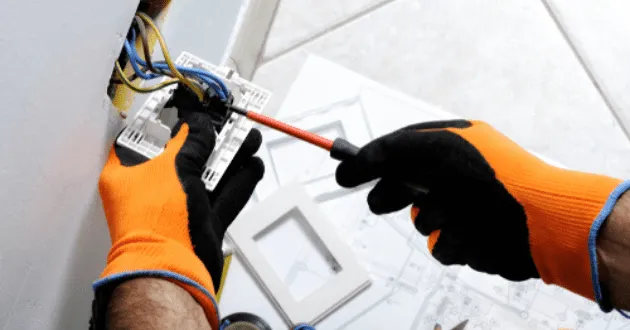
When it comes to the electrical wiring in your home or office, ensuring safety and efficiency is critical. Electrical systems are complex and require careful handling to avoid hazards, such as electrical fires or power failures. Hiring a professional Electrician for any wiring issues or upgrades is crucial, but it helps to understand the basics of electrical wiring beforehand. This knowledge will not only help you communicate effectively with your electrician but also ensure that the work being done meets safety standards.
In this article, we’ll cover the most important things you should know about electrical wiring before hiring an electrician.
1. The Importance of Proper Electrical Wiring
Electrical wiring is the backbone of your entire electrical system. It provides the necessary pathways for electricity to travel throughout your home or business, powering lights, appliances, and electronic devices. Proper wiring ensures that the electrical system functions smoothly and safely. Faulty or outdated wiring can lead to short circuits, electrical fires, or equipment damage.
Why It Matters:
Understanding the importance of proper wiring ensures that you prioritize safety and efficiency in your home or office. Without a properly wired system, even the most advanced electrical appliances could malfunction, and in the worst-case scenario, cause harm or damage.
2. Types of Electrical Wiring
There are various types of electrical wiring, each suited for different purposes and installations. The most common types include:
- Romex (Non-Metallic Sheathed Cable): This is the most widely used type of wiring in homes. It consists of two or more insulated conductors and a ground wire, all wrapped in a plastic sheath.
- Conduit Wiring: This type involves running electrical wires inside a metal or plastic conduit. It is often used in commercial buildings or areas where extra protection from physical damage is needed.
- Armored Cable (AC): This type of wiring consists of a copper or aluminum wire wrapped in a metal sheath. It’s often used in areas where additional protection is necessary.
- Underground Feeder (UF) Cable: UF cable is used for outdoor wiring, such as powering garden lights, outdoor outlets, or irrigation systems.
Why It Matters:
Understanding the different types of wiring allows you to ask the right questions when hiring an electrician. You should ensure that the appropriate type of wiring is chosen for your specific needs, whether it’s residential, commercial, or outdoor wiring.
3. Wiring Size and Capacity
Electrical wiring comes in different sizes (gauge), and selecting the correct gauge is essential to ensure that the wiring can handle the electrical load. The size of the wire affects its current-carrying capacity, meaning that a wire that is too small could overheat, leading to fire hazards.
Why It Matters:
An electrician will use a wire gauge appropriate for the electrical load of your home or office. If the wire is too small, it can cause the circuit to overload. For example, most home appliances require 14 or 12-gauge wire, while larger appliances like air conditioners may require a 10-gauge wire or larger.
4. Electrical Codes and Regulations
Every state, and sometimes even local areas, has specific electrical codes that dictate how electrical wiring should be installed. These codes ensure safety by regulating the materials, methods, and conditions under which wiring can be done.
Why It Matters:
When hiring an Electrician, it’s important to know that the work must be done according to local electrical codes. Not adhering to these regulations can result in unsafe installations and even legal issues, especially when selling the property or during inspections.
5. Signs Your Electrical Wiring Needs Attention
Electrical wiring issues may not always be obvious, but there are signs that indicate it may be time for an inspection or upgrade:
- Flickering lights or tripped circuit breakers
- Outlets or switches that feel warm to the touch
- A burning smell coming from outlets or wires
- Frequently blown fuses
- Older wiring systems (especially in homes built before the 1970s)
Why It Matters:
By recognizing these warning signs, you can take proactive steps to avoid further electrical hazards. An electrician can assess your wiring to determine whether it needs repairs or an upgrade.
6. The Benefits of Professional Installation
When it comes to electrical wiring, it is always recommended to hire a professional electrician for installation, repairs, or upgrades. Here’s why:
- Expertise: Electricians are trained to handle complex wiring systems safely and efficiently.
- Compliance with Codes: A professional ensures the installation complies with local electrical codes.
- Safety: Installing or repairing electrical wiring is dangerous work and requires the correct tools and knowledge to avoid accidents.
- Warranty: Professional electricians often provide warranties on their work, giving you peace of mind in case something goes wrong.
Why It Matters:
Attempting to handle electrical wiring yourself can be hazardous. A professional Electrician has the experience, tools, and knowledge to ensure that everything is installed safely and to code.
7. Planning for Future Electrical Needs
If you’re renovating or planning a new construction, think about your future electrical needs. Consider the number of outlets you will need, potential appliance upgrades, and other power demands. It’s a good idea to have extra wiring capacity installed to accommodate future changes.
Why It Matters:
Planning for the future prevents the need for costly rework or upgrades later. An experienced electrician can help you ensure that your electrical system is scalable to meet your long-term needs.
8. Cost of Electrical Wiring Services
The cost of electrical wiring services can vary based on factors like the complexity of the job, the type of wiring used, and the size of the property. It’s important to get an estimate from the electrician before starting any work. You should also inquire about the cost of materials, permits, and labor.
Why It Matters:
Knowing the cost ahead of time helps you avoid surprises and allows you to budget accordingly. A good electrician will provide a detailed breakdown of costs before starting the job.
Conclusion
Electrical wiring is a crucial part of any building, and understanding the basics will help you make informed decisions when hiring an electrician. Whether you are building a new home, renovating an existing one, or simply need to upgrade or repair your wiring, knowing what to expect can make the process smoother and safer.
Be sure to hire a qualified Electrician who can provide expert advice and service, ensuring that your electrical wiring is installed and maintained properly. Properly wired systems not only enhance safety but also improve the efficiency and functionality of your electrical setup for years to come.
Table of Contents

