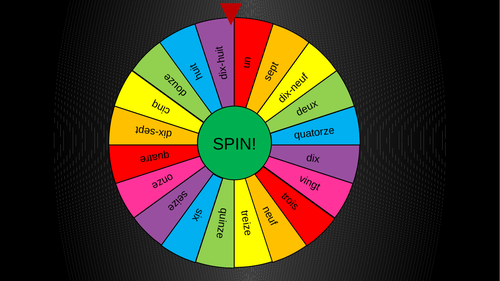
Decision-making is part of everyday life, but it isn’t always simple. From choosing a winner in a game to dividing responsibilities in a group, the process can sometimes feel biased or cause disagreements. To make decisions fair, interactive, and engaging, many people turn to the wheel of names, a tool that adds suspense and fun to even the simplest choices.
The Power of Yes or No in Decision-Making
Not every choice requires a long list of options. Sometimes, all it takes is a straightforward Yes or no answer to move forward. This binary approach works well for everyday situations, such as deciding whether to go out for dinner, choosing if a task should be done today or tomorrow, or settling playful debates among friends. Simple answers create clarity and reduce the time spent debating, especially when combined with tools that bring variety and fairness, like spinning wheels.
Why the Wheel of Names is Effective
The wheel of names stands out as a decision-making method because it’s both fair and entertaining. Instead of long discussions or random guesses, a spin instantly determines the outcome. The suspense created by watching the wheel spin keeps participants engaged, while the transparent process reassures everyone that the result is unbiased.
Key benefits include:
- Fairness – Every name or option is treated equally.
- Excitement – The spinning motion builds anticipation.
- Transparency – Outcomes are visible, reducing conflict.
- Versatility – Useful in classrooms, at home, in workplaces, or during events.
Many enjoy using the Spin the wheel option for games, raffles, or even lighthearted challenges because it ensures fairness while keeping the process lively.
Everyday Scenarios for Using the Wheel
The versatility of the wheel of names makes it suitable for many different settings:
In Classrooms
Teachers often use it to select students, assign projects, or form random groups. Students stay engaged because they know the wheel could land on anyone.
At Home
Families can use the wheel to decide who takes the first turn in a game, who handles small chores, or what activity to enjoy together. It turns ordinary household choices into moments of fun.
At Work
Workplace tasks that nobody volunteers for can be assigned fairly through a spin. It’s also a great tool for icebreakers and team-building activities that need an element of chance.
In Events and Online Communities
The Wheel of names is widely used in raffles, giveaways, and online meetings. Since participants can see the spin and outcome in real-time, it builds trust and adds energy to events.
The Psychology of Spinning
Why do people love spinning wheels so much? The answer lies in anticipation. The spinning motion creates a moment of suspense, and the final result feels rewarding, no matter what it is. This sense of unpredictability adds excitement, turning even the smallest decisions into shared experiences.
It also reduces stress. Instead of putting pressure on one person to decide, the responsibility shifts to chance, which feels impartial and acceptable to everyone involved.
More Than Randomness
Although designed for random selection, the wheel of names has broader advantages:
- Saves time by resolving debates quickly.
- Encourages fairness since everyone can see the outcome.
- Boosts participation in group activities.
- Adds entertainment to otherwise routine decisions.
These benefits explain why wheels are increasingly used not just for fun but also for practical purposes.
How to Use the Wheel Effectively
To get the best results, a few simple practices help:
- Check the entries – Make sure all names or options are correct.
- Add customizations – Colors, labels, and sound effects can make the experience more engaging.
- Set ground rules – Everyone should agree to accept the outcome before spinning.
- Know its limits – Great for lighthearted or routine choices, but not for serious, life-changing decisions.
Why Digital Wheels Are Popular
While physical spinners exist, digital versions are becoming the go-to choice because of their flexibility. They’re accessible across devices, easy to update, and can handle any number of entries. This makes them perfect for classrooms, offices, family gatherings, and online communities.
Digital wheels also allow multiple spins without effort, making them faster and more convenient for repeated use.
Turning Choices Into Shared Moments
What could otherwise be a mundane choice turns into a memorable moment when a wheel is involved. Instead of frustration or conflict, people look forward to the spin, making decisions part of the fun.
Whether at home, in schools, at work, or in large events, the wheel of names brings people together by combining fairness and excitement in one simple tool.
Conclusion
The wheel of names transforms decision-making from a routine task into an enjoyable experience. From a simple Yes or no, to spinning for fun challenges, or choosing winners in community events, it ensures fairness, excitement, and trust.
In a world where decisions are constant, tools like these remind us that even everyday choices can be made engaging, fair, and memorable.
Table of Contents