




Students and parents now start their school and college and university searches through online methods during the current digital age. Educational organizations need to establish a strong online presence because their competitors now require this digital presence for success. This is why SEO For Educational Institutions has become one of the most important digital marketing strategies in 2026.
Search Engine Optimization enables educational websites to display their content on Google search results when students search for courses or colleges or admission details. Educational institutions can enhance their visibility and attract more students while building their brand authority through the use of effective SEO strategies.
Growing Importance of Online Searches in Education
In 2026, the majority of students rely on the internet to research courses, compare institutions, and check admission requirements. Before applying to a college or university, students often search for terms like “best engineering college,” “top MBA institutes,” or “schools near me.”
Educational institutions can achieve higher search result rankings through proper SEO implementation. The institution’s website will show up among the first search results when prospective students look for educational programs which will increase both website traffic and student inquiries.
Increasing Competition Among Educational Institutions
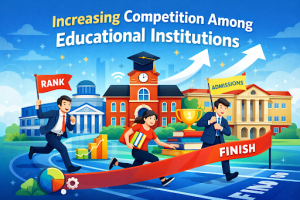
The education industry has developed into a field where institutions compete with each other. The rising number of institutions that provide identical courses and programs makes it challenging for schools to differentiate themselves from competitors. This situation requires educational institutions to use search engine optimization for their online presence.
The institutions can create a competitive advantage through website content optimization which includes selecting suitable keywords and enhancing their website performance. SEO helps educational institutions showcase their distinct features which include their specialized programs, faculty knowledge, campus amenities, and student accomplishments.
Improved Visibility and Brand Awareness
One of the biggest benefits of SEO for educational institutions is improved visibility. The website of an institution achieves better exposure together with increased trustworthiness when it appears on the first page of search engine results.
The higher visibility of a brand leads to increased recognition of its identity. The multiple instances that students encounter a college or university through search results lead them to view that institution as trustworthy and reputable.
Attracting More Student Enrollments
Every educational institution sets its main objective as increasing student enrollment. Effective SEO for educational institutions can help attract more potential students by driving organic traffic to the website.
Educational institutions can connect with students who want to pursue their studies by using targeted keywords that describe their courses, admission process, scholarship options, and campus activities. The specific visitors who reach our website through this method will result in increased inquiries and applications which will lead to higher enrollment numbers for our institution.
Enhancing Local Search Visibility
Educational institutions, which include schools and colleges and training institutes, need local search capabilities to support their operations. The majority of students conduct educational research to find options that exist within their local area.
The local SEO strategies educational institutions use, which include optimizing Google Business Profiles, implementing location-specific keywords, and obtaining reviews, enable institutions to appear in local search results. This approach helps institutions attract students who seek high-quality educational programs that are available in their local area.
Cost-Effective Marketing Strategy
SEO provides educational institutions with a budget-friendly solution which remains effective throughout their entire operational period. The paid advertisements generate short-term exposure whereas SEO methods deliver ongoing traffic benefits to websites.
The website achieved high search engine ranking which enables it to receive steady visitor traffic without needing ongoing promotional costs. Educational organizations can use SEO as a permanent marketing solution for their long-term needs.
Better User Experience for Website Visitors
The current practice of SEO requires more than keyword research because it demands better user experience design. The SEO process for educational institutions requires three fundamental elements which include website speed optimization and mobile device accessibility improvements and user interface navigation design.
The presence of a structured website which achieves fast loading times and delivers clear content enables students to navigate through courses and download brochures and reach out to the institution for additional information.
Building Trust and Credibility
The current practice of SEO requires more than keyword research because it demands better user experience design. The SEO process for educational institutions requires three fundamental elements which include website speed optimization and mobile device accessibility improvements and user interface navigation design.
A structured website with fast loading times and clear content presentation allows students to access their courses, download brochures and contact the institution for further information.
Conclusion
The education sector will reach its highest level of digital integration in 2026. Students use online research as their primary method for selecting schools and colleges and universities. Educational institutions need effective search engine optimization because it helps them gain visibility and attract prospective students while maintaining their market position.
Through search engine optimization investments educational institutions establish a powerful online identity which leads to increased student interaction and sustainable institutional development within a competitive academic environment.
Table of Contents

